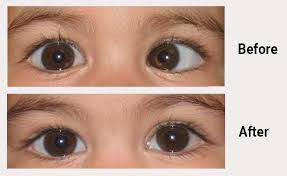
Squint, medically known as strabismus, is a condition where the eyes do not align properly and point in different directions. One eye may look straight ahead while the other turns inward, outward, upward, or downward.
Symptoms of Squint
Misaligned or crossed eyes
Double vision (diplopia)
Poor depth perception
Eye strain or headaches
Tilting of the head to see properly
Treatment for Squint
Treatment depends on the severity and underlying cause:
Glasses – Correct refractive errors that may cause or worsen squint.
Prism Lenses – Help with double vision in some patients.
Eye Exercises – Strengthen eye muscles and improve coordination.
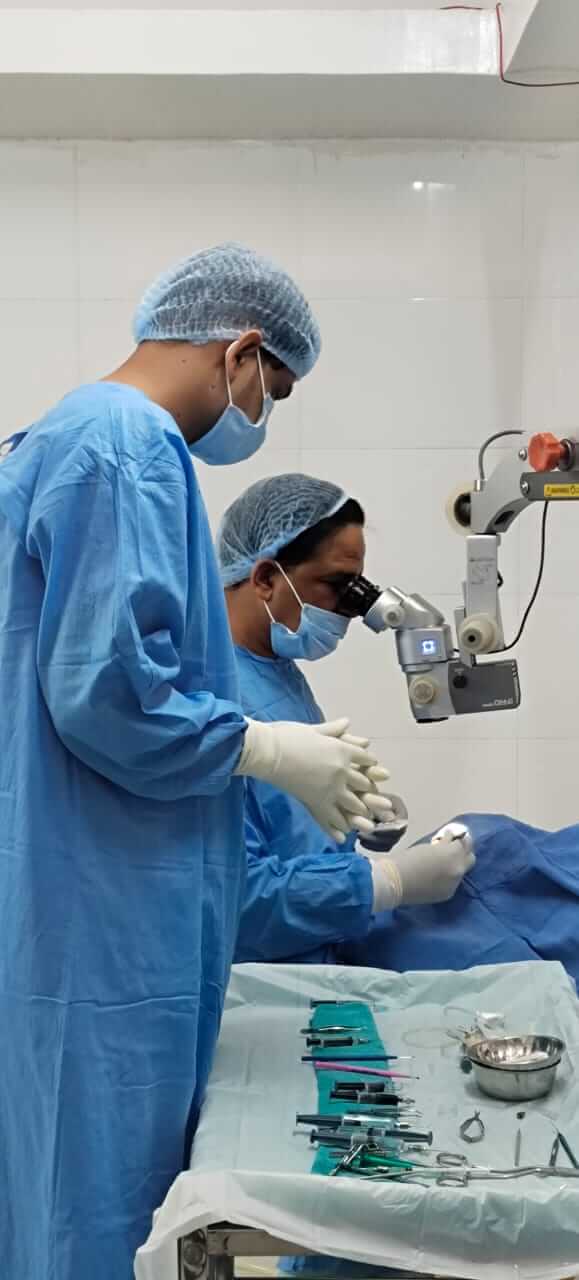
Surgery – Adjusts the eye muscles to correct alignment for moderate to severe squint cases.
Botulinum Toxin (Botox) – Sometimes used for temporary correction of eye muscle imbalance.
Why Choose Us for Squint Treatment
Experienced ophthalmologists specializing in strabismus
Advanced diagnostic tools and surgical techniques
Personalized treatment plans for children and adults
Safe, precise, and effective procedures
Comprehensive follow-up care and support
When Should You Consider Treatment?
If your child’s eyes appear misaligned
If you experience double vision or eye strain
If poor alignment affects appearance or self-confidence
To prevent long-term vision complications such as amblyopia (lazy eye)
Book Your Consultation
Take the first step toward clearer vision today. 📞 Call us at:91 80028 18888 🖥️ Appointment : Click here
Our team of eye care specialists is ready to help you with expert consultation and advanced cataract treatment.
FREQUENTLY ASK QUESTIONS
Do you have any questions?
Can squint be corrected in adults?
Yes, with proper evaluation, adults can benefit from glasses, exercises, or surgery depending on the type and severity.
Is surgery for squint safe?
Yes, squint surgery is generally safe, effective, and performed under experienced ophthalmologists.
How long is recovery after squint surgery?
Most patients recover within 1–2 weeks, with follow-up visits to monitor alignment.
Can squint return after treatment?
In some cases, misalignment may recur, and additional therapy or surgery might be needed.