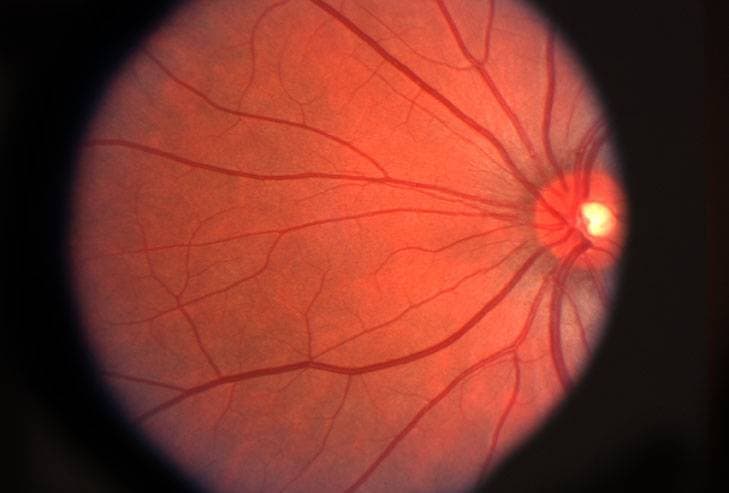
Retina diseases affect the light-sensitive tissue at the back of the eye, called the retina. This tissue is responsible for capturing images and sending them to the brain via the optic nerve. Damage to the retina can lead to vision impairment or even blindness if left untreated.
Diabetic Retinopathy – Damage to retinal blood vessels caused by diabetes.
Retinal Detachment – Separation of the retina from the underlying tissue.
Macular Degeneration – Deterioration of the central part of the retina (macula) affecting sharp vision.
Retinal Vein Occlusion – Blockage in retinal veins leading to vision loss.
Retinitis Pigmentosa – Genetic disorder causing progressive retinal degeneration.
Laser Therapy – To seal leaking blood vessels and prevent further damage.
Injections (Anti-VEGF Therapy) – To reduce swelling and improve vision in conditions like diabetic retinopathy or macular degeneration.
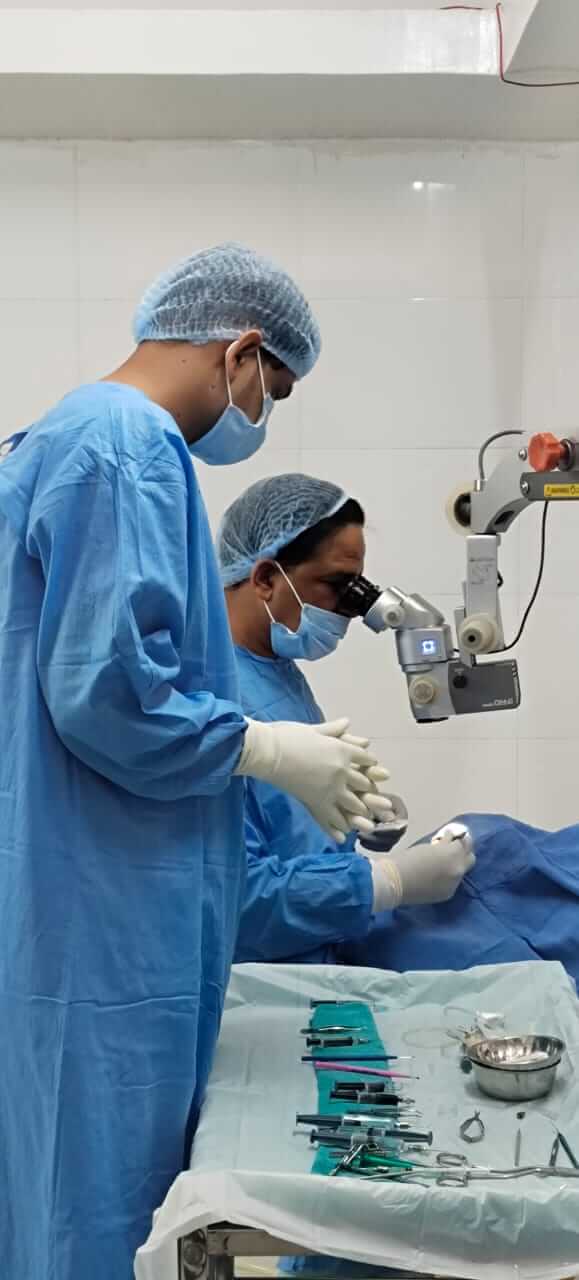
Vitrectomy Surgery – Removal of the vitreous gel to treat retinal detachment or severe hemorrhage.
Photodynamic Therapy – Uses light-activated drugs to treat abnormal blood vessels in the retina.
Highly experienced retinal specialists
Advanced diagnostic imaging and treatment equipment
Personalized treatment plans for each patient
Comprehensive care for all types of retinal disorders
Focus on early detection to prevent vision loss
Sudden changes in vision
Persistent floaters or flashes of light
Blurred or distorted vision
Diabetic patients should have regular retinal checkups
Family history of retinal diseases
Take the first step toward clearer vision today.
📞 Call us at: 91 80028 18888
🖥️ Appointment : Click here
Our team of eye care specialists is ready to help you with expert consultation and advanced cataract treatment.
Yes, if untreated, some retina diseases like retinal detachment or advanced diabetic retinopathy can cause permanent vision loss.
Most treatments are minimally invasive and performed under local anesthesia with little to no discomfort.
Regular annual check-ups are recommended, especially for diabetic patients or those with a family history of retinal disorders.