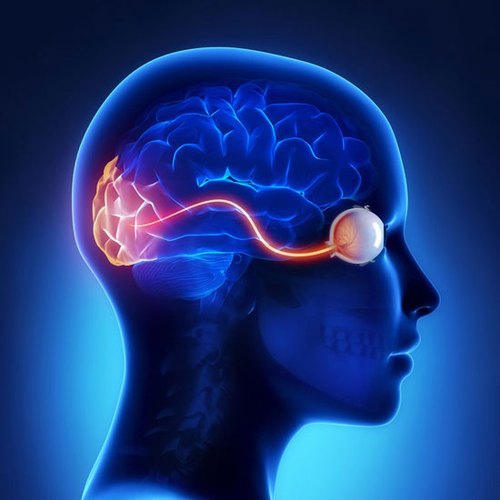
Optic Neuritis – Inflammation of the optic nerve, often linked to multiple sclerosis.
Papilledema – Swelling of the optic disc due to increased intracranial pressure.
Double Vision (Diplopia) – Caused by nerve or muscle problems affecting eye movement.
Ocular Myasthenia Gravis – Weakness of eye muscles due to autoimmune disorders.
Visual Field Loss – Caused by stroke, brain tumors, or trauma.
Pupil Abnormalities – Irregular or unequal pupil reactions linked to neurological disorders.
Comprehensive Eye Exam – Visual acuity, eye movement, and pupil tests.
Neuroimaging – MRI or CT scans to detect brain or nerve abnormalities.
Visual Field Testing – To evaluate peripheral vision loss.
Blood Tests & Electrophysiology – For autoimmune or neuromuscular causes.
Medication – Steroids, immunosuppressants, or other targeted treatments.
Surgery – For conditions like tumors or compressive optic neuropathies.
Our hospital integrates advanced neuroimaging and ophthalmic testing for accurate diagnosis and personalized treatment.
Expert Neuro-Ophthalmologists with multidisciplinary collaboration
Advanced diagnostic and imaging facilities
Individualized treatment plans for each patient
State-of-the-art surgical and medical care
Continuous monitoring and rehabilitation support
Sudden vision changes or vision loss
Persistent double vision or eye movement problems
Severe or recurring headaches with visual symptoms
Drooping eyelids or abnormal pupil reactions
After neurological events like stroke or head injury
Early evaluation can prevent permanent vision or neurological complications.
Take the first step toward clearer vision today.
📞 Call us at: 91 80028 18888
🖥️ Appointment : Click here
Our team of eye care specialists is ready to help you with expert consultation and advanced cataract treatment.
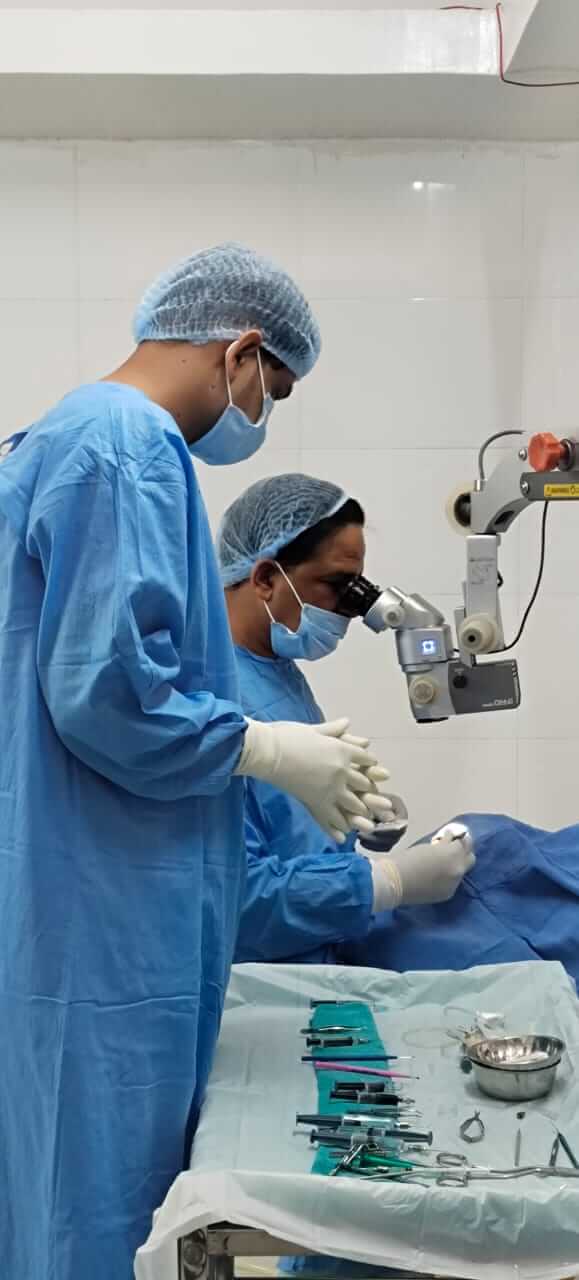
Neuro-ophthalmology specifically focuses on vision problems related to the nervous system, including the brain and optic nerves.
Some conditions can be treated if diagnosed early, while others may require long-term management.
Yes, our diagnostic procedures, including imaging and electrophysiology, are safe and non-invasive.