
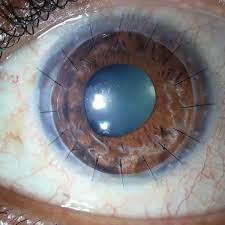
Corneal Ulcer – An open sore on the cornea, often caused by infection
Keratoconus – Progressive thinning and bulging of the cornea
Corneal Dystrophies – Genetic conditions causing clouding of the cornea
Corneal Scars – From injuries or infections causing vision impairment
Dry Eye Syndrome – Insufficient tear production leading to corneal discomfort
Medications – Antibiotic, antifungal, or antiviral eye drops for infections
Corneal Cross-Linking – To strengthen the cornea in conditions like keratoconus
Laser Treatments – To correct minor irregularities or scars
Corneal Transplant (Keratoplasty) – Replacing damaged cornea with donor tissue in severe cases
Amniotic Membrane Transplantation – To promote healing in corneal ulcers or severe dry eye
Our hospital uses state-of-the-art technology and expert care for precise diagnosis and effective treatment.
Specialized Cornea Ophthalmologists
Advanced Diagnostic Tools (Corneal Topography, OCT, Pachymetry)
Latest Treatment Methods and Surgical Techniques
Personalized Treatment Plans
Excellent Patient Care and Follow-Up Services
We are committed to protecting and restoring your vision with the best corneal care available.
If you experience eye pain, redness, blurred vision, or light sensitivity
If you have a history of eye injury or infection
Annual eye check-ups, especially if you have predisposing factors like diabetes or keratoconus
Early consultation leads to better treatment outcomes.
Take the first step toward clearer vision today.
📞 Call us at: 91 80028 18888
🖥️ Appointment : Click here
Our team of eye care specialists is ready to help you with expert consultation and advanced cataract treatment.
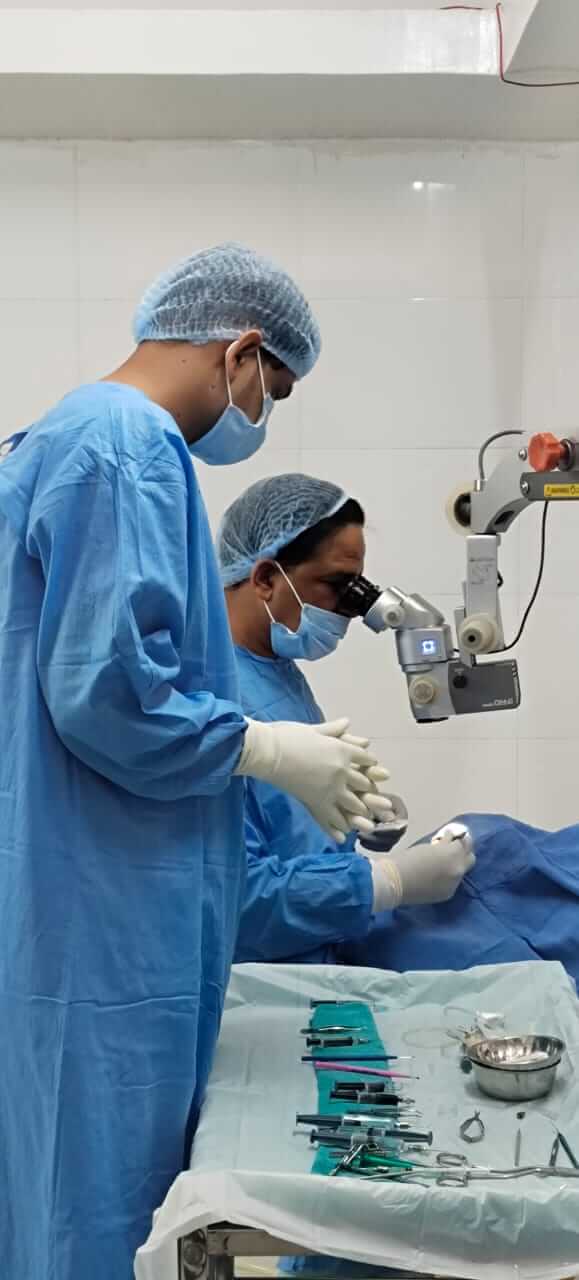
Some conditions can be treated effectively, but advanced damage may require surgical intervention like a corneal transplant.
Yes, corneal transplant is a commonly performed and generally safe procedure with high success rates.
It varies by treatment type but usually ranges from a few weeks to several months for full recovery.
Maintain good eye hygiene, use protective eyewear, control systemic diseases like diabetes, and have regular eye check-ups.